Cable Insulation Materials are the heart and safety shield of every electrical system. Choosing the right insulation acts as an armor that protects against electric shock, fires, and faults, while also determining the cable’s current carrying capacity and its long-term investment value. These electrical insulation materials, which form the raw material for many types of cables, are the first step towards the right choice for electrical projects.
In this comprehensive guide, we will examine the basic structures (PVC, XLPE, EPR) of cable insulation materials, why these materials are vital, and how you can secure your projects with the quality of brands like Prysmian and 2M Kablo.
Comprehensive Safety: Classification of Insulation Materials
Cable insulation materials offer different properties depending on the temperature, humidity, chemicals, and fire risk of the environment where the cable will be used.
1. PVC (Polyvinyl Chloride): The Standard and Economical Solution
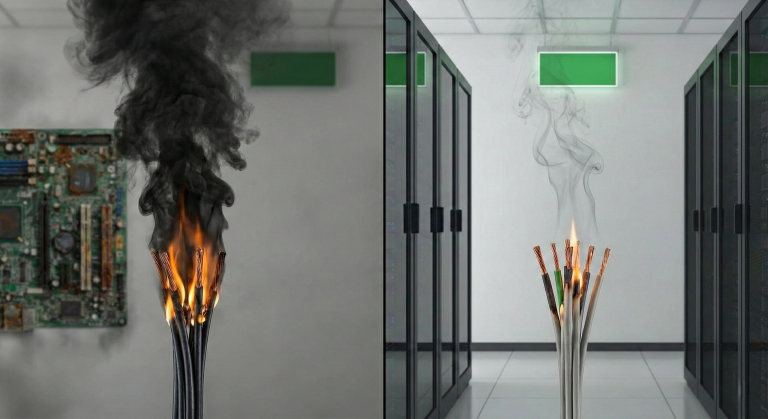
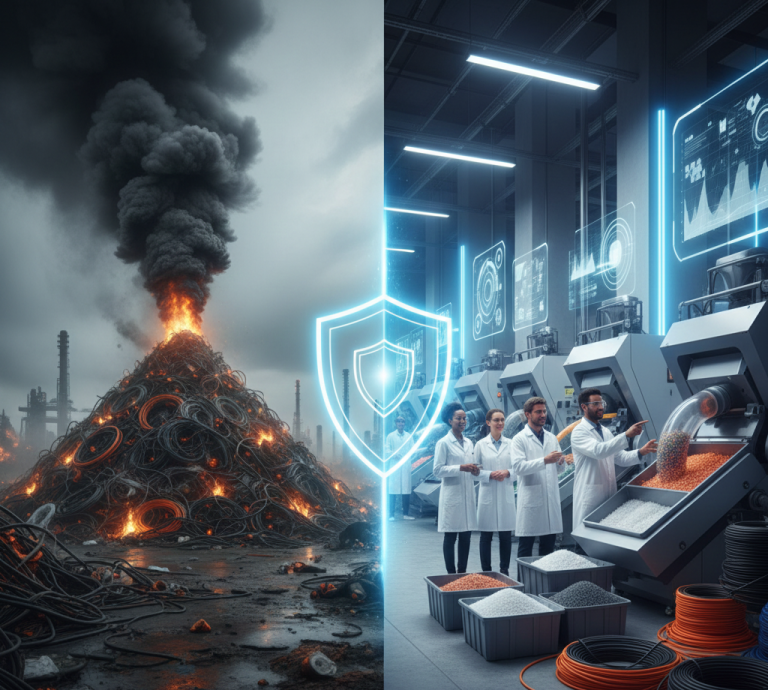
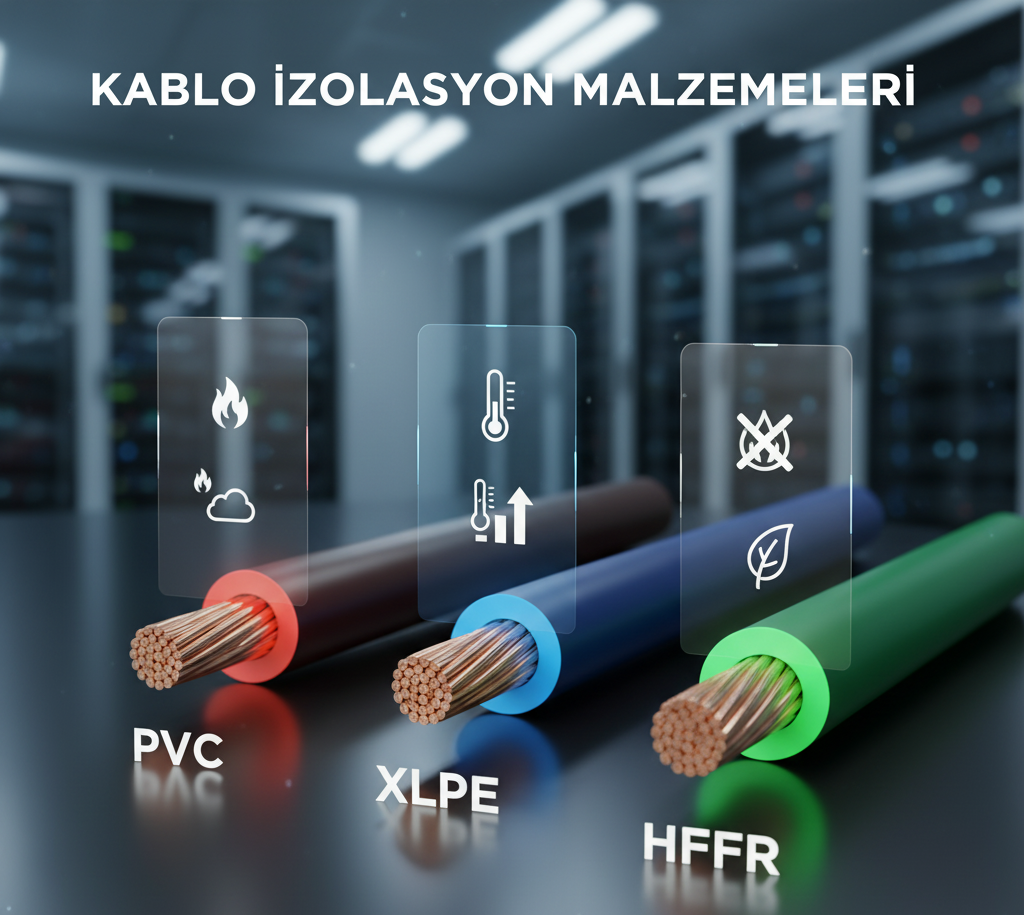
PVC is the most commonly used material due to its low cost and good flexibility. However, it should never be preferred in areas with high fire safety requirements. When PVC burns, it releases toxic and corrosive gases, like hydrogen chloride (HCl), that threaten human health. For this reason, it is restricted in public use areas.
2. XLPE (Cross-Linked Polyethylene): The Key to High Performance
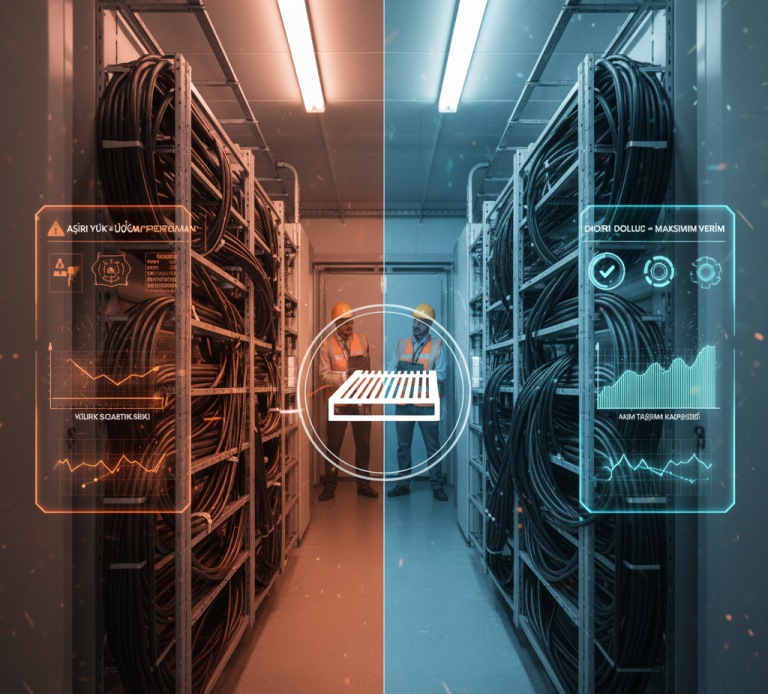
XLPE is obtained by chemically reinforcing the thermal and electrical properties of insulation. XLPE insulation is resistant to high temperatures (up to 90°C continuous operation, 250°C in short circuit) and has low dielectric losses. These superior features allow an XLPE cable of the same cross-section to have a higher current carrying capacity than a PVC cable. Therefore, it is often preferred in medium and high-voltage cables.
3. HFFR/LSOH (Halogen-Free and Low Smoke): The Peak of Human Safety
Developed for places where fire safety is most critical, these materials (Halogen-Free Flame Retardant) do not contain halogens (Chlorine, Fluorine). HFFR/LSOH insulations and sheaths:
- No Toxic Gas Emission: They only release water vapor and carbon dioxide when burned.
- Low Smoke Density: They prevent the spread of dense smoke, keeping evacuation routes clear.
- Critical Applications: They are mandatory in hospitals, schools, and data centers that require fire-resistant cable.
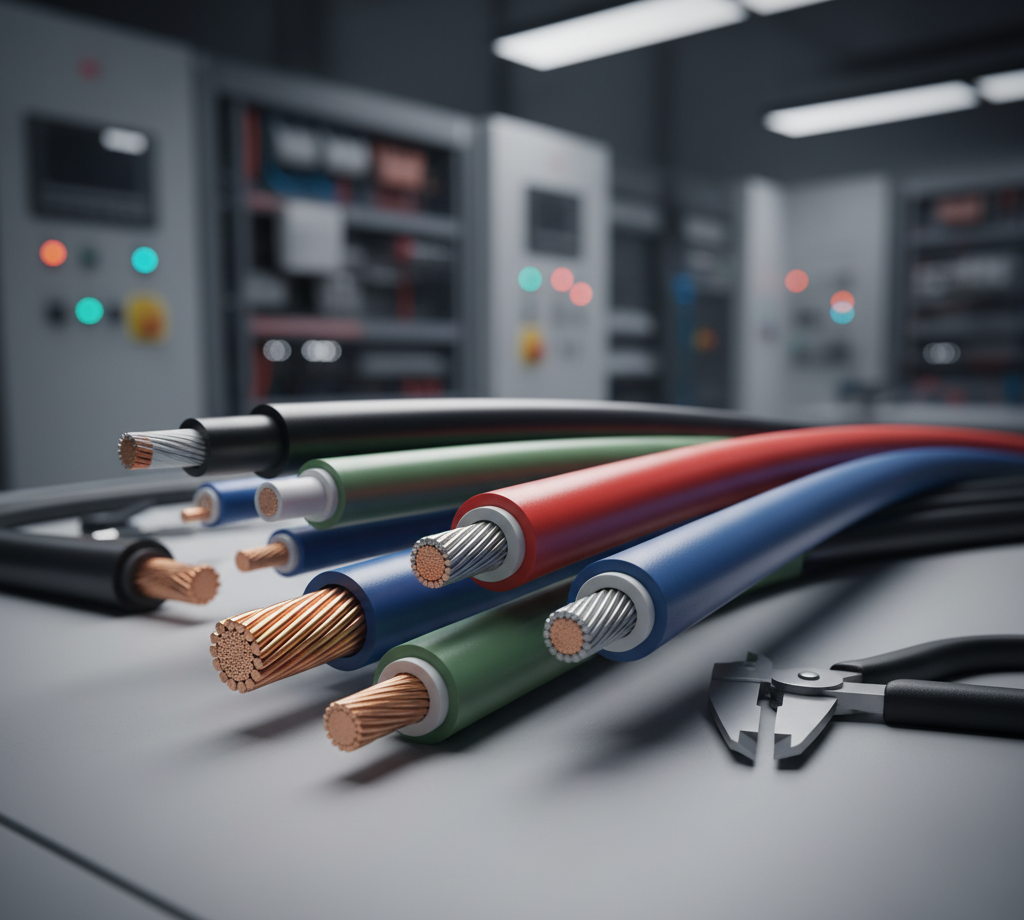
The Secret to Long-Term Investment with Quality Insulation
The lifespan and maintenance cost of a cable depend directly on the quality of the cable insulation material. High-performance cable insulation materials like XLPE show superior resistance to moisture, chemicals, and temperature changes. This durability prevents the cable from failing frequently and reduces the need for periodic replacement, ensuring a long-term investment.
Technical Assurance: Insulation Resistance and Standards
The reliability of electrical insulation materials must be proven through testing. One of the most critical safety tests answers the question of how many ohms should cable insulation resistance be. The cable’s insulation resistance must be above the lower limit of the regulatory standards applied under test voltage (generally at Megaohm levels). This resistance value shows that the cable entirely contains the energy transmission on the conductor and eliminates the risk of leakage. Brands like 2M Kablo and Prysmian certify their quality by performing these resistance tests under international standards (IEC, VDE).
Prysmian and 2M Kablo Insulation Solutions
Deltatema adds value to your projects by working with the best brands in cable insulation materials:
- Prysmian: Sets global standards, especially in high and medium-voltage cables based on XLPE and EPR (Ethylene Propylene Rubber). You can check Prysmian’s technical documentation.
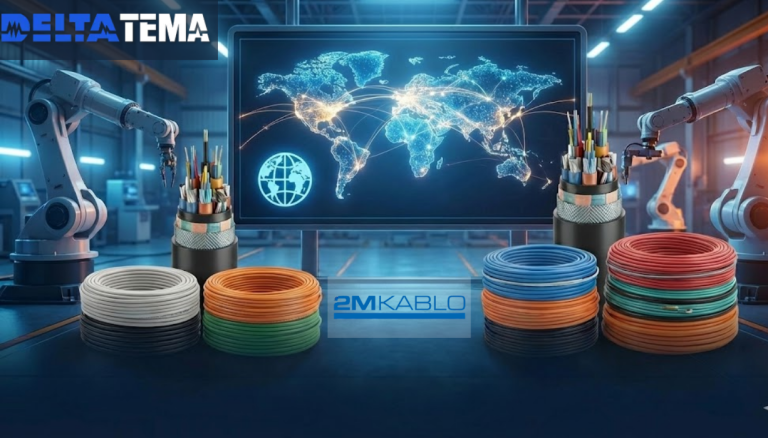
- 2M Kablo: Offers a strong domestic portfolio of cables with HFFR insulation. You can access 2M Kablo’s halogen-free cable products through Deltatema.
Deltatema Support for Choosing the Right Cable
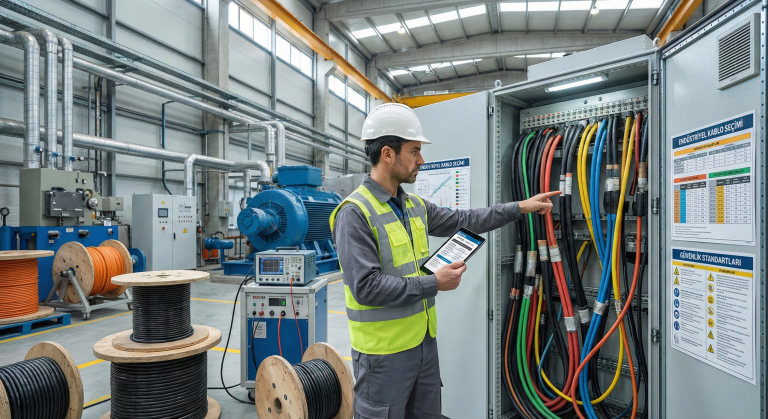
The selection of electric cable laying materials and cable insulation material is of critical importance for the success of your project. At Deltatema, we not only supply the products of 2M Kablo but also analyze all the requirements of your projects and offer the most suitable solution. Our team of experts provides technical support at every stage of the process, from cable selection to installation.
Conclusion
Cable insulation materials are the invisible heroes of your electrical projects. PVC, XLPE, or HFFR? When making this decision, it is essential to consider the balance between safety, performance, and long-term investment. At Deltatema, we are proud to meet this critical need of your projects with the guaranteed products of Prysmian and 2M Kablo.