The High Voltage Cable and Types topic is of vital importance for the uninterrupted operation of modern energy grids and industrial facilities. The term High Voltage (HV) generally refers to voltages above 35 kV, while Medium Voltage (MV) covers energy levels between 1 kV and 35 kV. These voltage levels are crucial for delivering energy most efficiently from power plants to distribution centers and large consumers. The correct selection of High Voltage Cable and Types not only ensures energy transmission but also minimizes the system’s dielectric losses, ensuring a long-term investment and maximum safety.
In this comprehensive guide, we will examine the complex structure of the High Voltage Cable and Types, the importance of its protective layers (screening), its areas of use, and how Deltatema guarantees your projects with products from global leaders like Prysmian.
What is an HV Cable? Voltage Classes and Structure
Understanding High Voltage Cable and Types begins with grasping the fundamental safety mechanisms within the cable. An HV/MV cable, which is a voltage cable, is a complex, multi-layered engineering product, unlike low-voltage cables.
Fundamental Structural Layers
- Conductor: Produced from copper or aluminum, it carries the energy. Its cross-section must be suitable for short-circuit currents and the power to be transmitted.
- Semiconducting Layers: Specifically placed around both the conductor and the insulation. Their main role is to homogenize the electric field on the insulation, preventing insulation-degrading events like “corona discharge.”
- XLPE Insulation: Cross-Linked Polyethylene (XLPE) material is used, which keeps the cable’s dielectric losses very low. XLPE increases the cable’s reliability thanks to its high-temperature resistance.
- Copper Screen (Shield): The copper tape or wire screen wrapped around the insulation is one of the most vital safety layers of the cable.

The Importance of Armor and Screen: The Two Layers of Safety
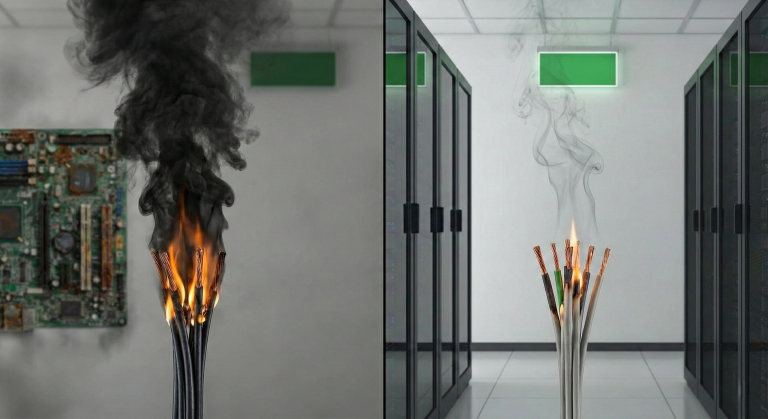
Screening (shielding) in HV/MV cables does much more than just prevent signal interference; it assumes a direct safety function.
- Role of the Copper Screen: When a fault or short circuit occurs in the cable, the screen safely routes the high short-circuit currents to the ground, preventing the cable from exploding and damaging surrounding equipment.
- Role of the Armor (Steel Wire/Tape): In areas with a high risk of mechanical damage (in MV underground cable lines, or underwater), steel armor is used to protect the cable structure against external impacts. This guarantees the cable’s integrity and its value as a long-term investment.
Prysmian: World Leader in High Voltage Technology
When it comes to High Voltage Cable and Types, Prysmian is an undisputed global market leader. It produces solutions for energy grids and critical infrastructure projects worldwide.
- N2XSY / YXC7V Series: Prysmian’s N2XSY series (TSE equivalent YXC7V-R) are medium voltage cables with XLPE insulation and a copper screen. These cables are used in the energy supply to large industrial areas and grids where load increase is expected, due to their very low dielectric losses. These products are suitable for both outdoor and underground use.
- Special Solutions: In high voltage cable solutions of 35 kV and above, Prysmian maintains the highest level of system safety with special designs that provide internal water sealing for the cable.
Cable Current Carrying Capacities and Risk Management
Cable current carrying capacities are the most critical calculation parameter in an HV project. In high-voltage lines, the wrong choice of cable cross-section can lead not only to high energy loss but also to dangerous failures in transformer centers and switchgear plants.
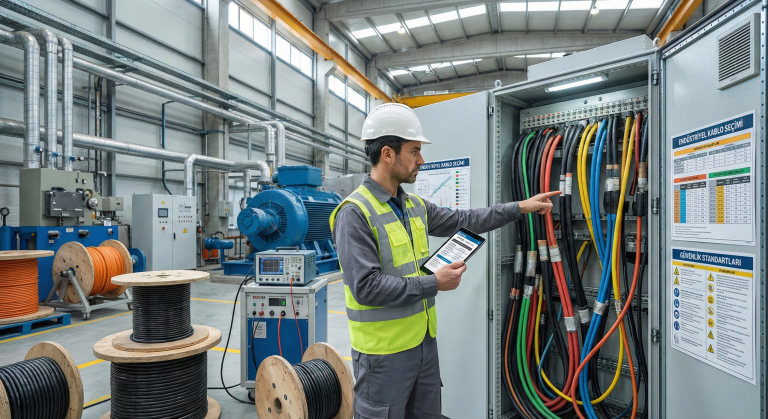
- Selection Criteria: Factors such as the voltage level (kV) to be used, the current to be carried, the laying method (cable tray, aerial, or underground), and ambient temperature form the basis of the cable selection guide.
- Deltatema Consulting: Deltatema experts offer technical support to help you determine the N2XSY series or armored cable types suitable for your project. This is vital for making the right choice for electrical projects.
Note: Differences Between Underground and Overhead Lines
The question What is the purpose of the ball on the high voltage line? is a frequently asked one. The ball on the electricity poles is not a cable shield or conductor; these spheres, typically orange or red, are called marker spheres. They increase the visibility of the line for aircraft, helicopters, or other aerial vehicles flying nearby, preventing the risk of collision. This is a safety measure specific to overhead lines, which underscores the aesthetic and safety advantages of underground cables.
Conclusion
High Voltage Cable and Types are the most important link in energy distribution. To increase the power and safety of your electrical projects, choose cables like N2XSY, produced with Prysmian’s global expertise. Deltatema is proud to offer you not only products but also the necessary knowledge and assurance to make the right choice for electrical projects.
For detailed technical specifications, you can also consult the official Prysmian website and review the T.R. Ministry of Environment and Urbanization legislation.